OUR LIVER
Understanding Your Liver
Discover the remarkable functions and vital importance of one of your body's most powerful organs. The liver is your body's chemical factory, working tirelessly to keep you healthy.
What Is the Liver?
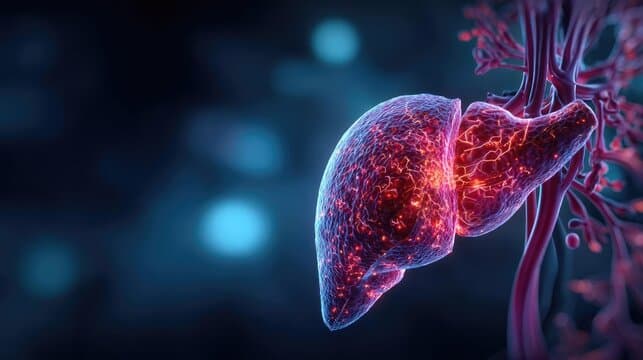
The liver is the largest internal organ and gland in the human body, performing over 500 essential functions to help keep you alive and healthy.
A Vital Organ
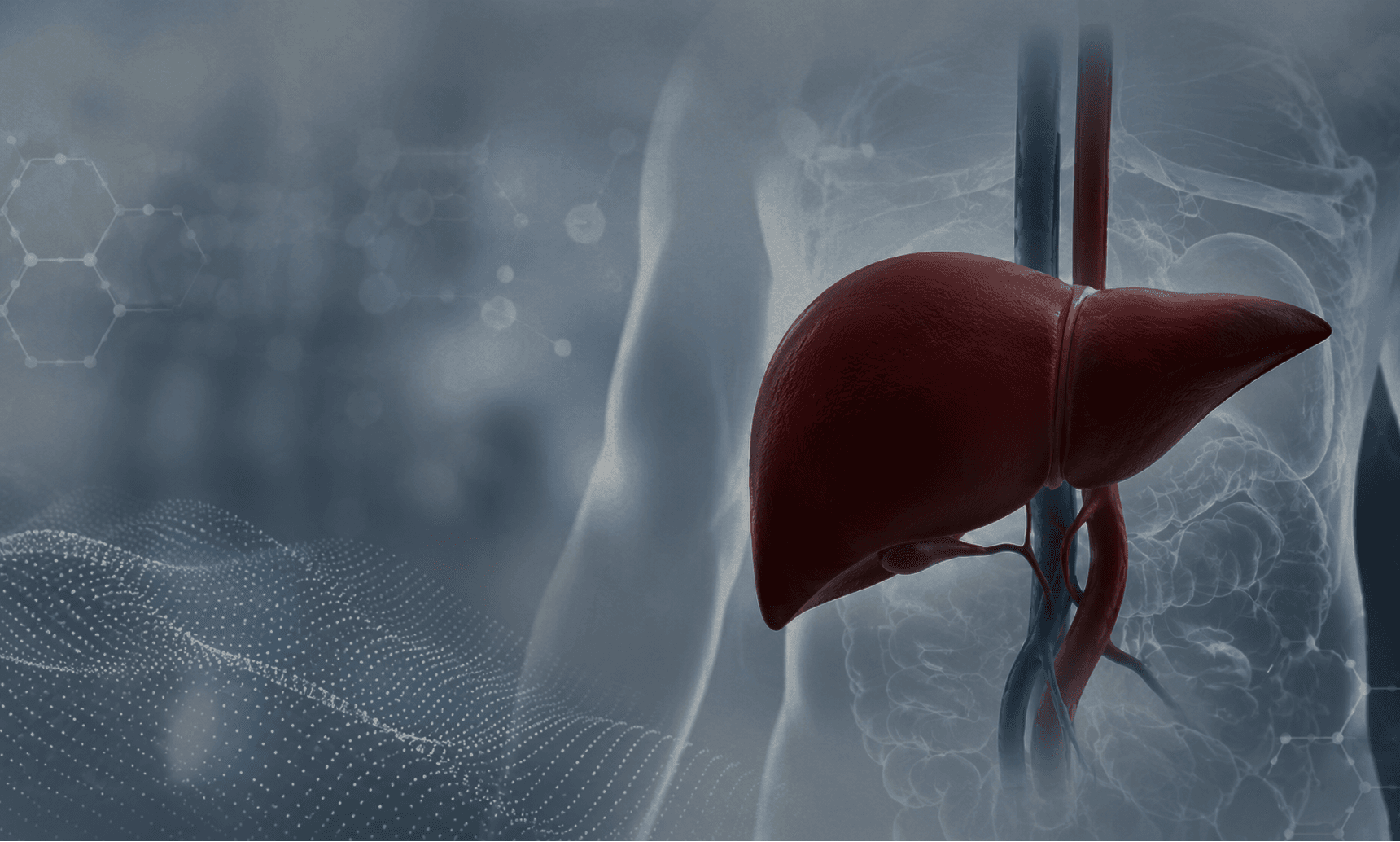
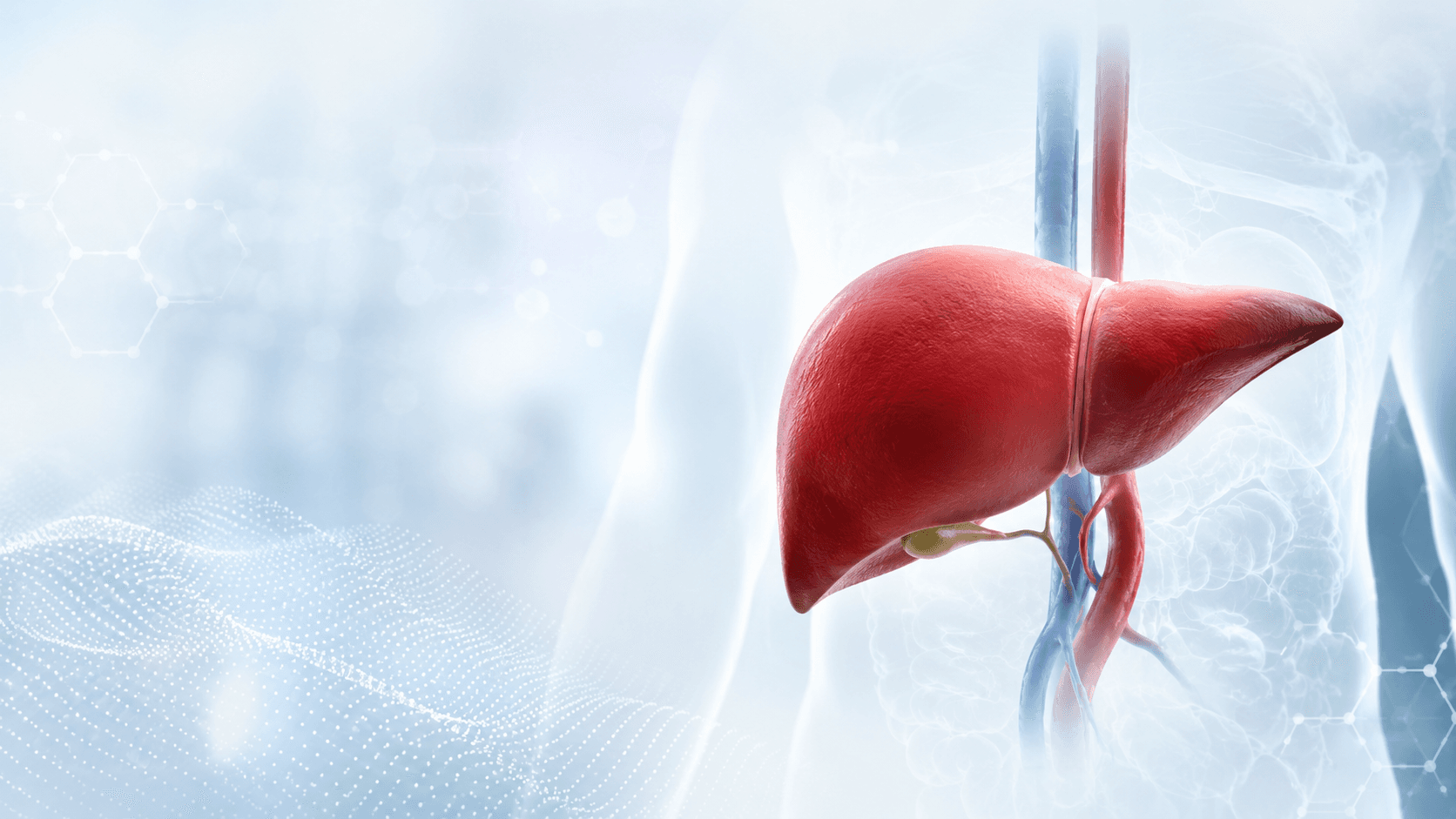
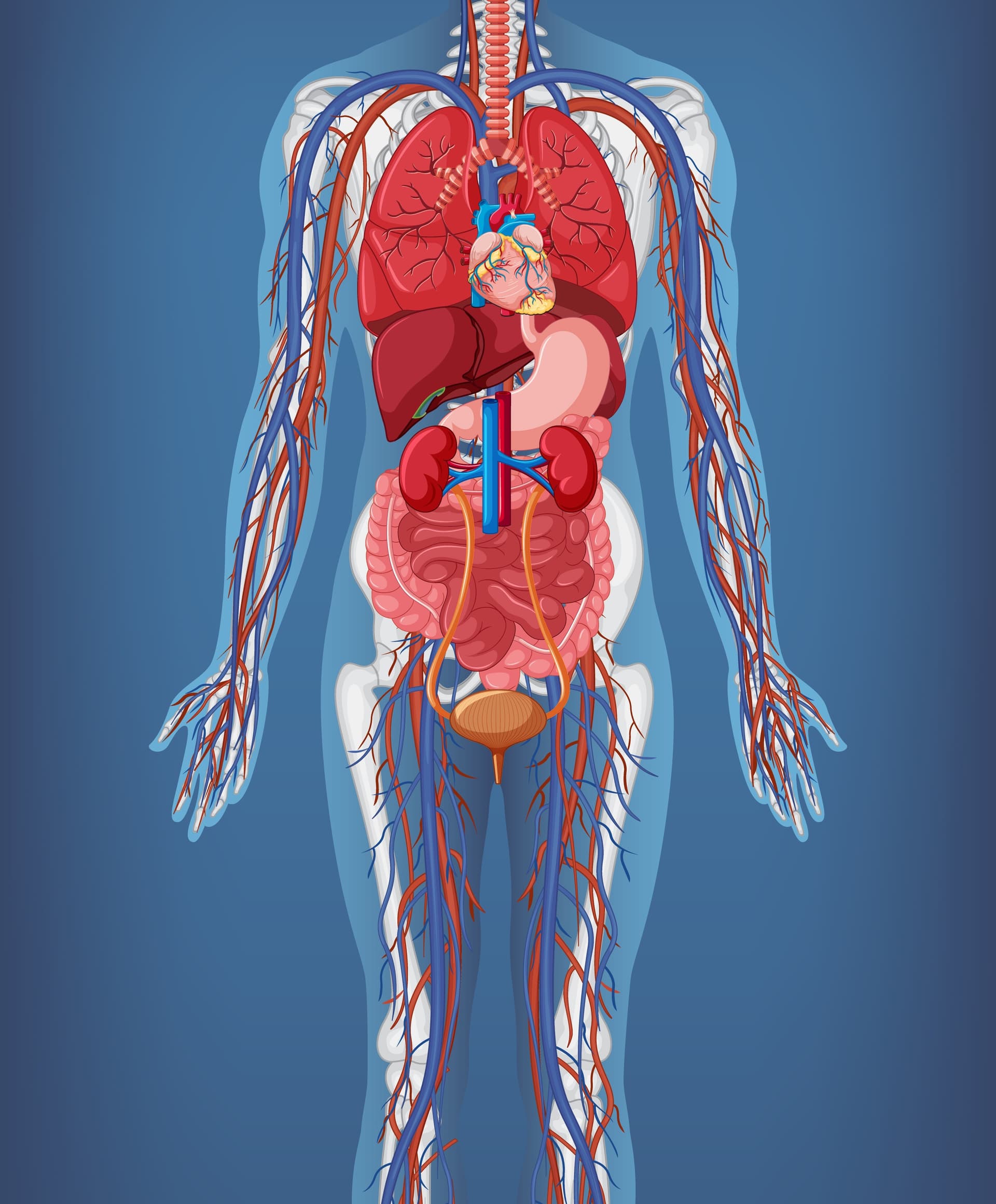
The liver is a wedge-shaped, reddish-brown organ located in the upper right part of the abdominal cavity, beneath the diaphragm and above the stomach, right kidney, and intestines.
It is one of the most important organs in the body and also has the special ability to regenerate itself. Even when part of the liver is damaged, it can often grow back under the right conditions.
Liver Structure
Two Main Lobes
- •Right Lobe: The larger lobe, making up most of the liver.
- •Left Lobe: The smaller lobe, divided by the falciform ligament.
Additional Components
Hepatocytes
Special liver cells that carry out most liver functions.
Bile Ducts
Small channels that move bile to the gallbladder and digestive tract.
Blood Supply
The liver receives blood through the portal vein and hepatic artery.
Liver Functions
Your liver performs over 500 vital functions every day. Here are some of the main roles that help keep your body working properly.
Metabolism
Processes nutrients from food and turns them into energy and materials the body can use.
- •Breaks down carbohydrates into glucose for energy
- •Converts extra glucose into glycogen for storage
- •Metabolizes proteins and fats for different body functions
Detoxification
Filters and removes harmful substances from the blood, helping protect the body from toxins.
- •Neutralizes drugs, alcohol, and other toxic substances
- •Removes bacteria and old blood cells from circulation
- •Converts ammonia into urea for safer elimination
Bile Production
Produces bile to help digest fats and absorb fat-soluble vitamins in the small intestine.
- •Creates around 800 to 1000 ml of bile daily
- •Helps break down dietary fats
- •Supports absorption of vitamins A, D, E, and K
Storage
Stores essential vitamins, minerals, and energy reserves for when the body needs them.
- •Stores vitamins A, D, E, K, and B12
- •Maintains iron and copper reserves
- •Stores glycogen as an energy reserve
Protein Synthesis
Creates important proteins needed for blood clotting, immunity, and tissue repair.
- •Produces albumin for blood volume regulation
- •Creates clotting factors that help stop bleeding
- •Synthesizes proteins important for immune support
Waste Management
Processes and helps remove waste products formed during metabolism and cell breakdown.
- •Breaks down old red blood cells
- •Processes bilirubin for excretion
- •Helps eliminate metabolic waste products
The Body's Chemical Factory
Every minute, your liver processes a large amount of blood while carrying out many chemical reactions at the same time. It is one of the hardest-working organs in the body, working continuously to support health and survival.
Common Liver Conditions
Understanding common liver conditions can help you notice early warning signs and seek medical advice at the right time.
Hepatitis
Inflammation of the liver caused by viral infections, alcohol use, or autoimmune conditions.
- Fatigue
- Jaundice
- Abdominal pain
- Dark urine
Fatty Liver Disease
A buildup of excess fat in liver cells, often linked to obesity, diabetes, or alcohol use.
- Often no symptoms
- Fatigue
- Upper right abdominal discomfort
- Enlarged liver
Cirrhosis
Severe scarring of the liver caused by long-term damage, which can reduce liver function.
- Fatigue
- Easy bruising
- Swelling in legs
- Confusion
Liver Cancer
A malignant growth in the liver, often developing in people with long-term liver disease.
- Weight loss
- Loss of appetite
- Upper abdominal pain
- Nausea
Hemochromatosis
A genetic condition that causes the body to absorb and store too much iron.
- Joint pain
- Fatigue
- Abdominal pain
- Skin color changes
Wilson’s Disease
A rare inherited disorder where copper builds up in the liver and other organs.
- Fatigue
- Jaundice
- Neurological problems
- Personality changes
Warning Signs to Watch For
Some symptoms can be early signs of liver problems. If these symptoms continue or become worse, it is important to get medical advice.
- Yellowing of skin or eyes (jaundice)
- Persistent abdominal pain or swelling
- Dark-colored urine
- Pale or clay-colored stool
- Chronic fatigue
- Nausea or vomiting
- Loss of appetite
- Easy bruising or bleeding
How to Keep Your Liver Healthy
Taking care of your liver is important for your overall health. These simple habits can help support normal liver function over time.
Eat a Balanced Diet
Choose meals that include fruits, vegetables, whole grains, and lean protein sources.
- Limit saturated fats and heavily processed foods
- Include fiber-rich foods like oats, beans, and lentils
- Choose antioxidant-rich foods like berries and leafy greens
- Reduce added sugar and refined carbohydrate intake
Limit Alcohol Consumption
Too much alcohol is one of the main causes of long-term liver damage.
- Men: No more than 2 drinks per day
- Women: No more than 1 drink per day
- Have alcohol-free days during the week
- Get support if controlling intake feels difficult
Exercise Regularly
Physical activity helps manage weight and can reduce excess fat in the liver.
- Aim for at least 150 minutes of moderate activity each week
- Include both cardio and strength training
- Take regular breaks if you sit for long periods
- Choose activities you can stay consistent with
Stay Hydrated
Drinking enough water supports normal body processes and overall health.
- Drink around 8 to 10 glasses of water daily
- Increase water intake during exercise or hot weather
- Limit sugary drinks and soft drinks
- Start the day with a glass of water
Use Medications Wisely
Some medicines can affect the liver when they are overused or taken incorrectly.
- Follow prescribed dosages carefully
- Do not mix medicines without medical advice
- Be careful with over-the-counter pain relievers
- Tell your doctor about all medicines and supplements you take
Get Regular Check-ups
Finding liver problems early can help prevent more serious health issues later.
- Book routine health check-ups
- Ask about liver function tests if you are at risk
- Discuss hepatitis vaccination with your doctor
- Tell your doctor about any family history of liver disease

Foods That Support Liver Health
A balanced diet can support liver health. These foods are often included in healthy eating patterns because they provide useful nutrients and beneficial compounds.
Fascinating Liver Facts
Discover some interesting facts about one of the most remarkable organs in the human body.
The liver is the only organ that can regenerate itself
Even if a large part of the liver is removed, it has the rare ability to grow back and recover over time.
Your liver performs over 500 different functions
From helping with metabolism to filtering harmful substances, the liver supports many important body processes every day.
The liver can weigh up to 3 pounds
It is the largest internal organ in the human body and plays a major role in keeping the body working properly.
The liver processes a large amount of blood every minute
A constant blood supply flows through the liver so it can filter, process nutrients, and support many chemical reactions.
More Incredible Facts
Functions performed by the liver
Average weight of an adult liver
Works continuously to support the body
Main sections of the liver
Approximate bile produced daily
Essential for life
The Liver Through Life
The liver begins developing very early and plays an important role from the start of life.
As the body grows, the liver also grows and continues performing the same essential functions.
The liver reaches full maturity and works to process nutrients, filter blood, and support metabolism.
The liver often continues to function well with age, although some processes may become slower over time.